Insight
Senior Living 3.0: Three Design Trends to Watch
Living Reinvented for the Generation of Reinvention.
October 2026By Vessel Architecture & Design
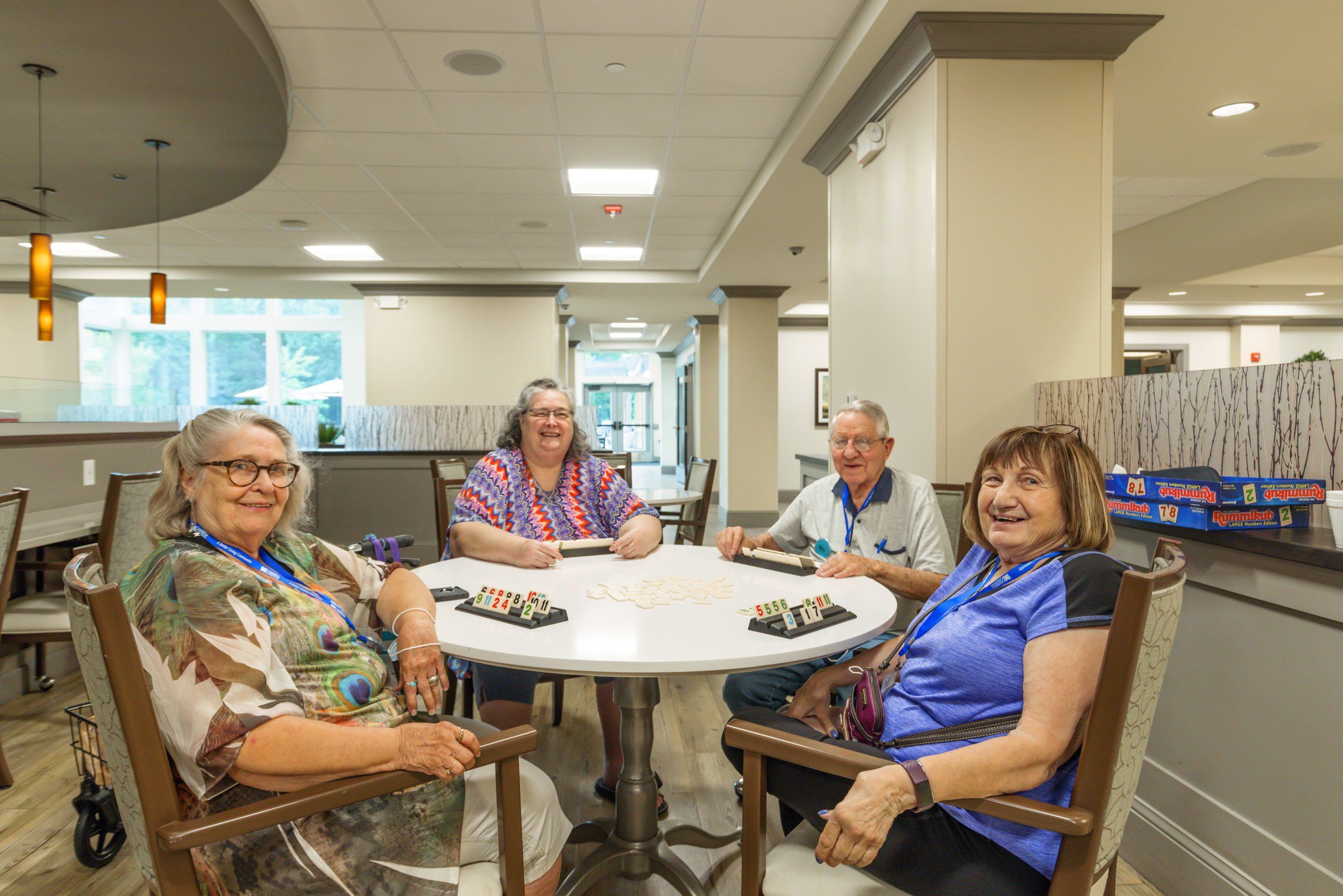
By 2030, every Baby Boomer in America will be 65 or older, according to the U.S. Census Bureau. This is the generation that reinvented work, education and technology, and it has no intention of moving into the tired buildings designed for its parents.
Senior Living 1.0 was the nursing home, smelly and outmoded. In the 2010s Senior Living 2.0 made care safer and more home-like but was bland and neutral. To capture the hearts of Baby Boomers Senior Living 3.0 must reinvent for a generation that reinvents everything. Their lives have been one upgrade after another and they expect to upgrade into Senior Living. These are the three trends we expect to define it.
Trend 1
Upgraded Living
Home but upgraded.
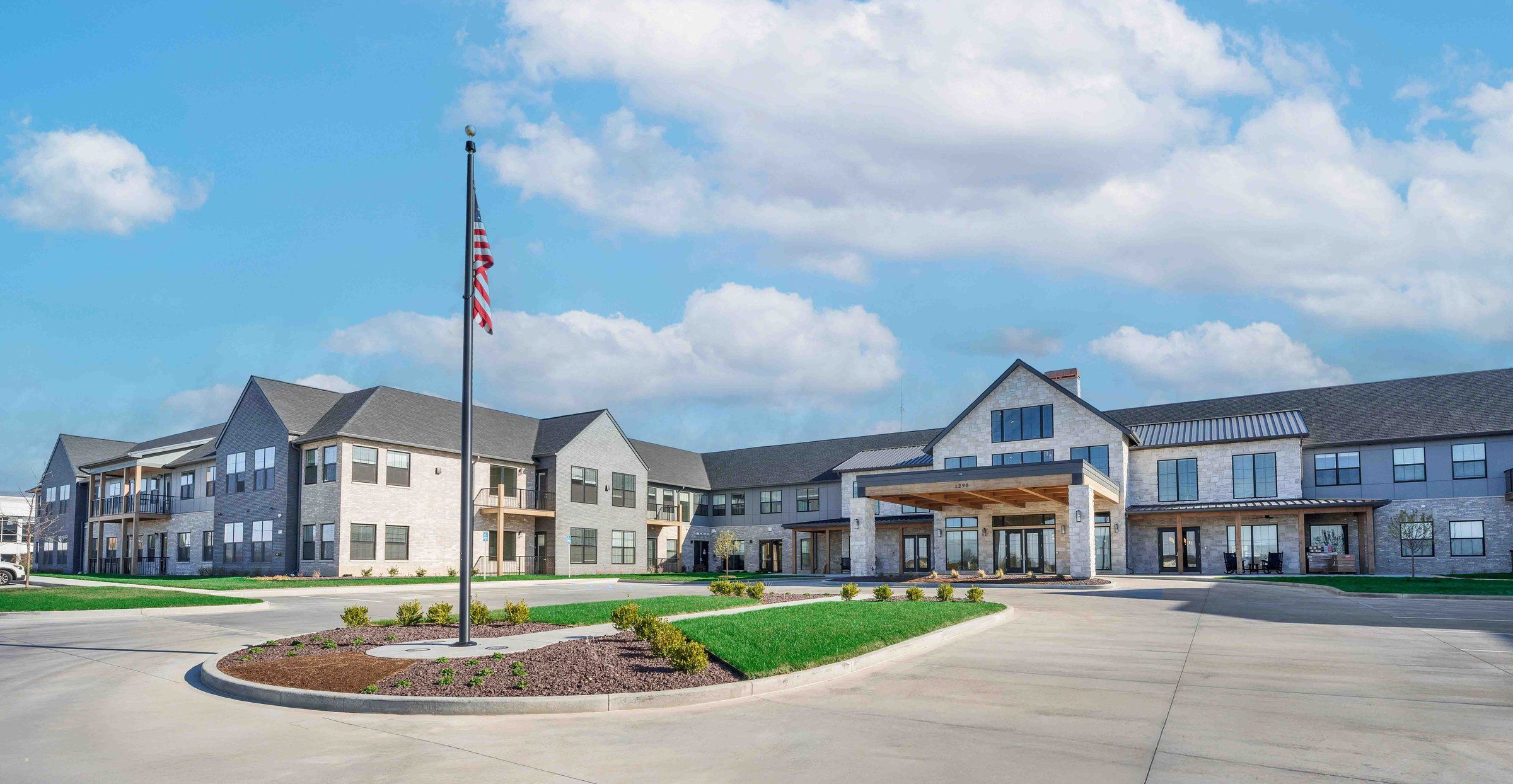
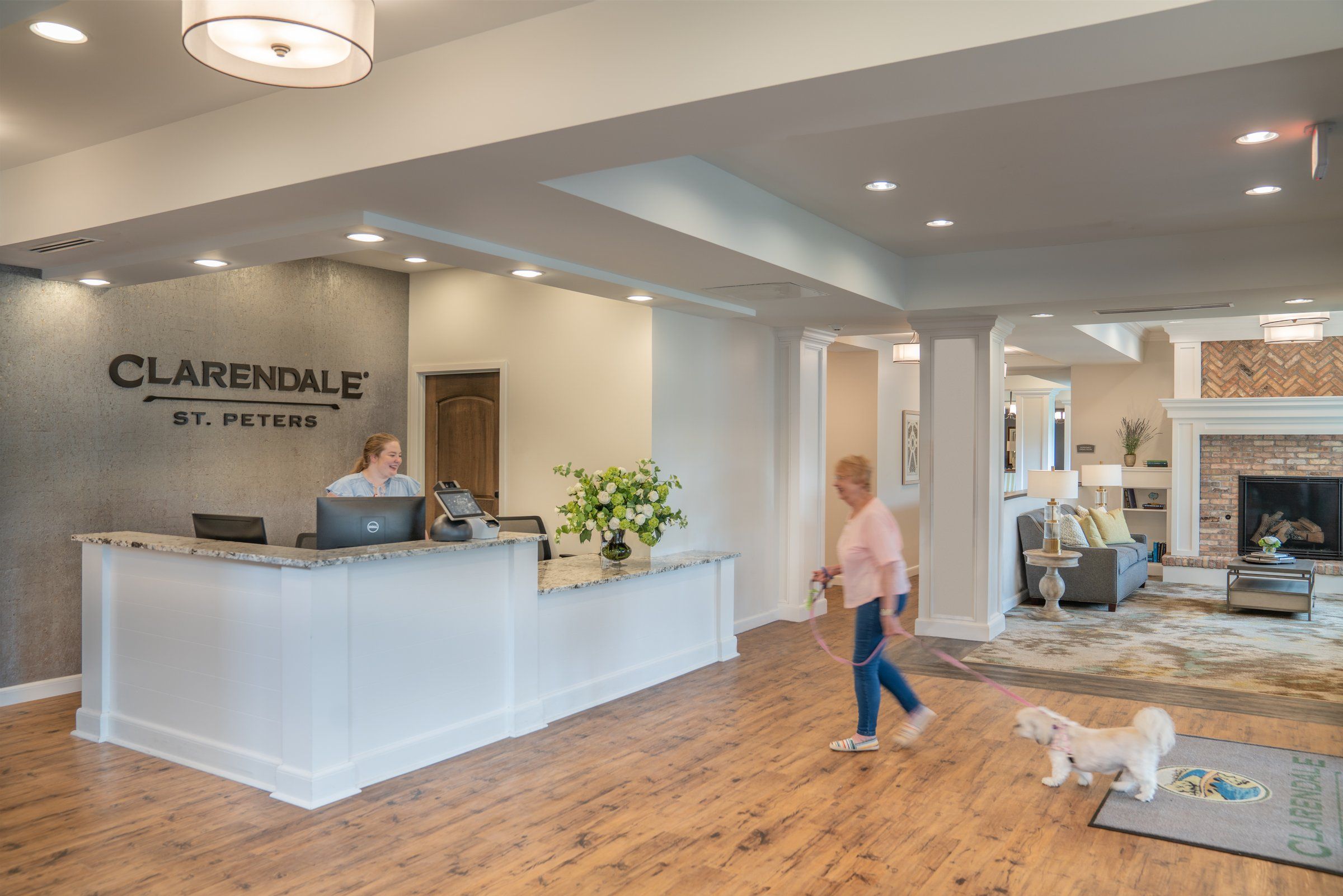
For decades, senior living was about needs, not wants. For this generation it has to be an upgrade: a place they would choose even if they did not need it. That is a problem that only the best designers can solve. Architecture must be designed to be aspirational and that quality must be evident immediately from the curb. Merely inoffensive bland design won’t hack it any more.
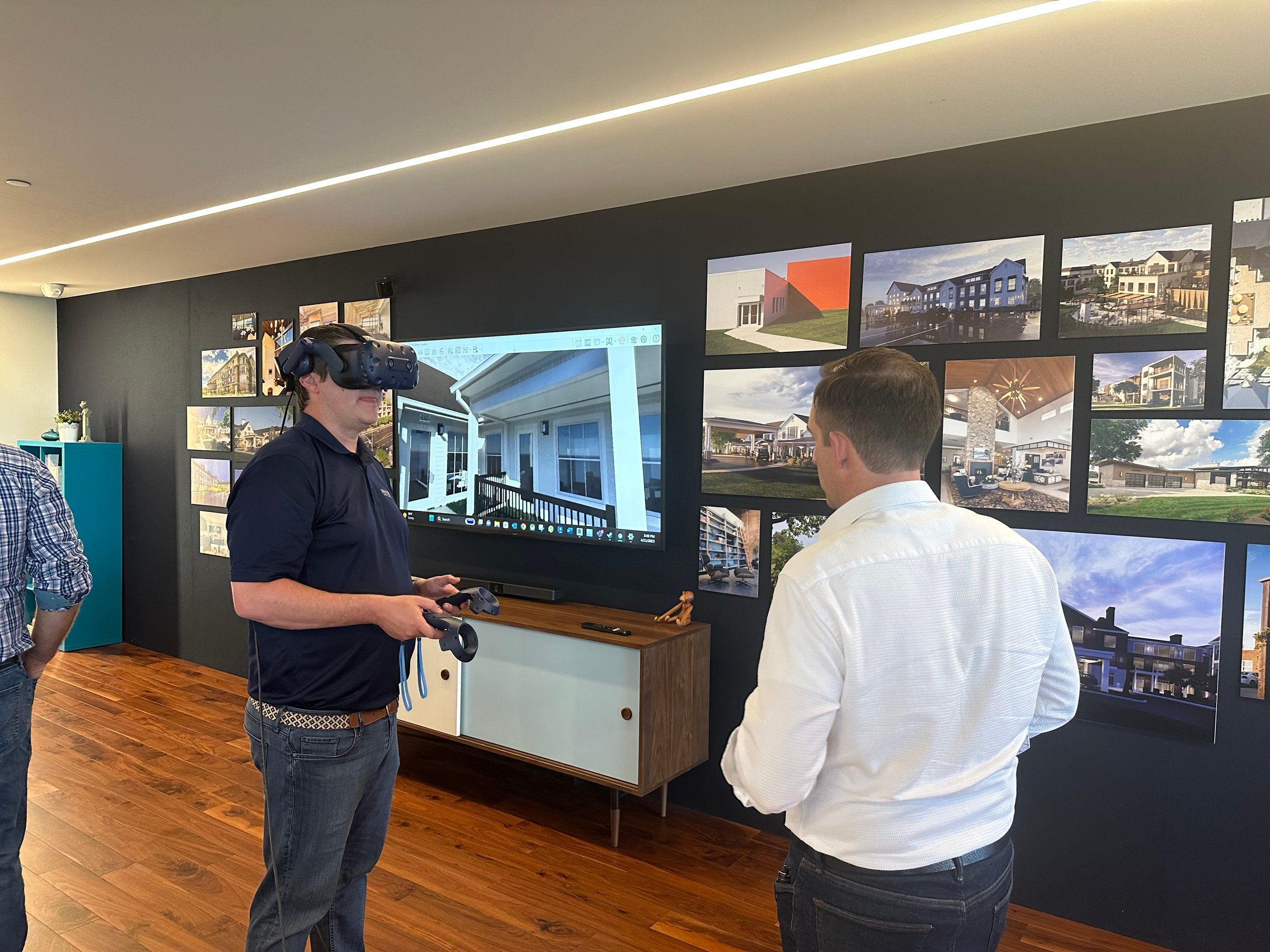
The upgrade runs through the walls. Boomers are digital pragmatists who expect technology to earn its place by connecting them to the world: video calls with the grandchildren, streaming, telehealth. Connectivity is now infrastructure, as basic as structure or plumbing, so the network, the power and the pathways have to be planned from the first sketch.
Behind the scenes, AI systems can inform and remind staff how and when to care for each resident, flagging subtle changes in how someone moves or sleeps so help arrives before a fall or an illness. Circadian lighting that shifts through the day supports healthy rhythms, especially in memory care, and it is planned from day one. The test for all of it is dignity: safety that never creeps into surveillance, which is why we favor privacy-first sensing over cameras in private rooms.
In practice
- Aspirational architecture with sophisticated lines
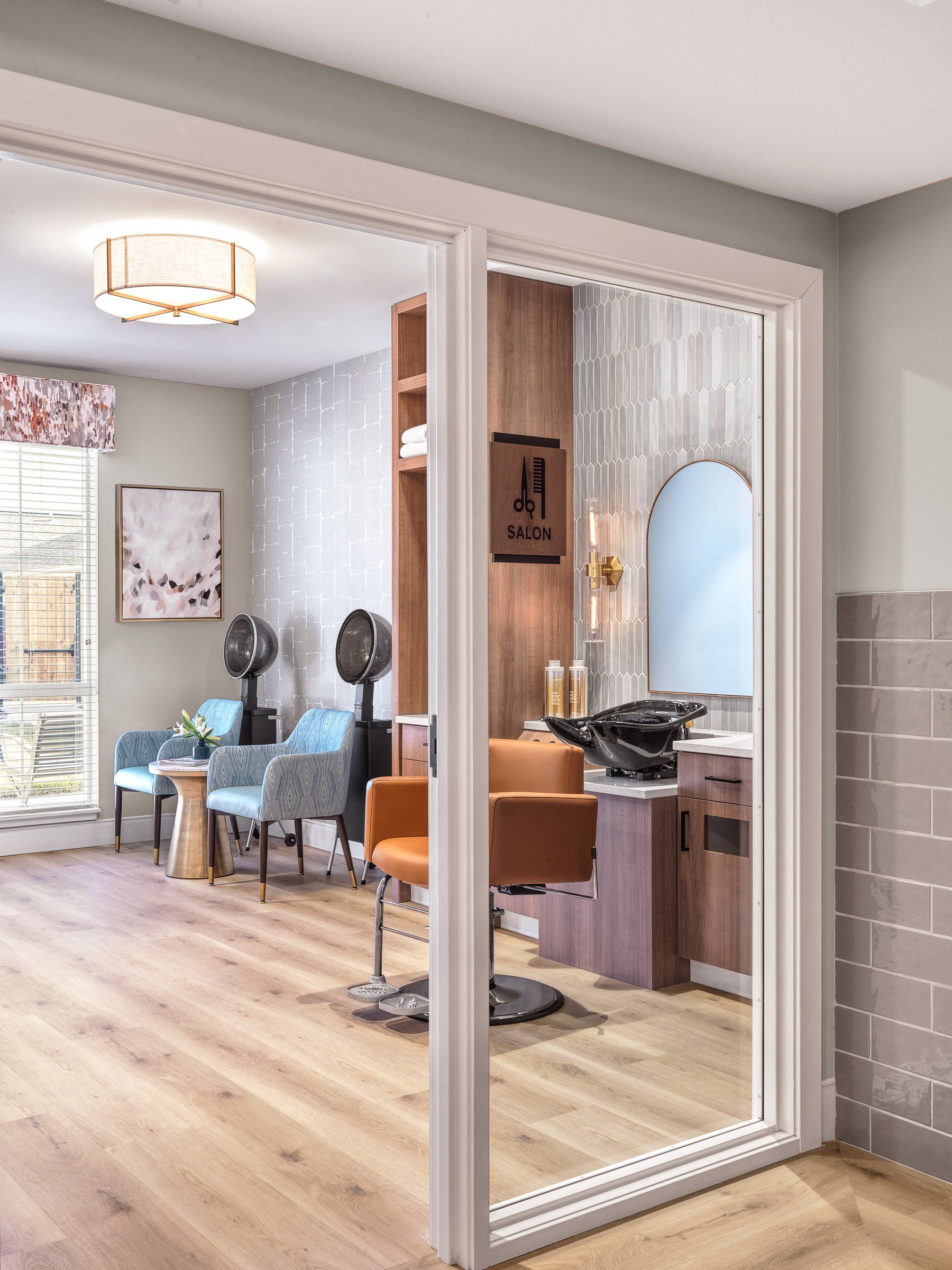
- Natural, warm, and elegant color palettes that feel homey
- Elevated and sophisticated detailing, never blocky or institutional
- Spaces that inspire people to feel, “I always wanted to live in a place out of a magazine!”
- Connectivity planned from day one, with staff informed and reminded by AI systems
- Circadian lighting for healthy rhythms and privacy-first sensing instead of cameras
Trend 2
Human Centered
Places designed to captivate and draw people into community.
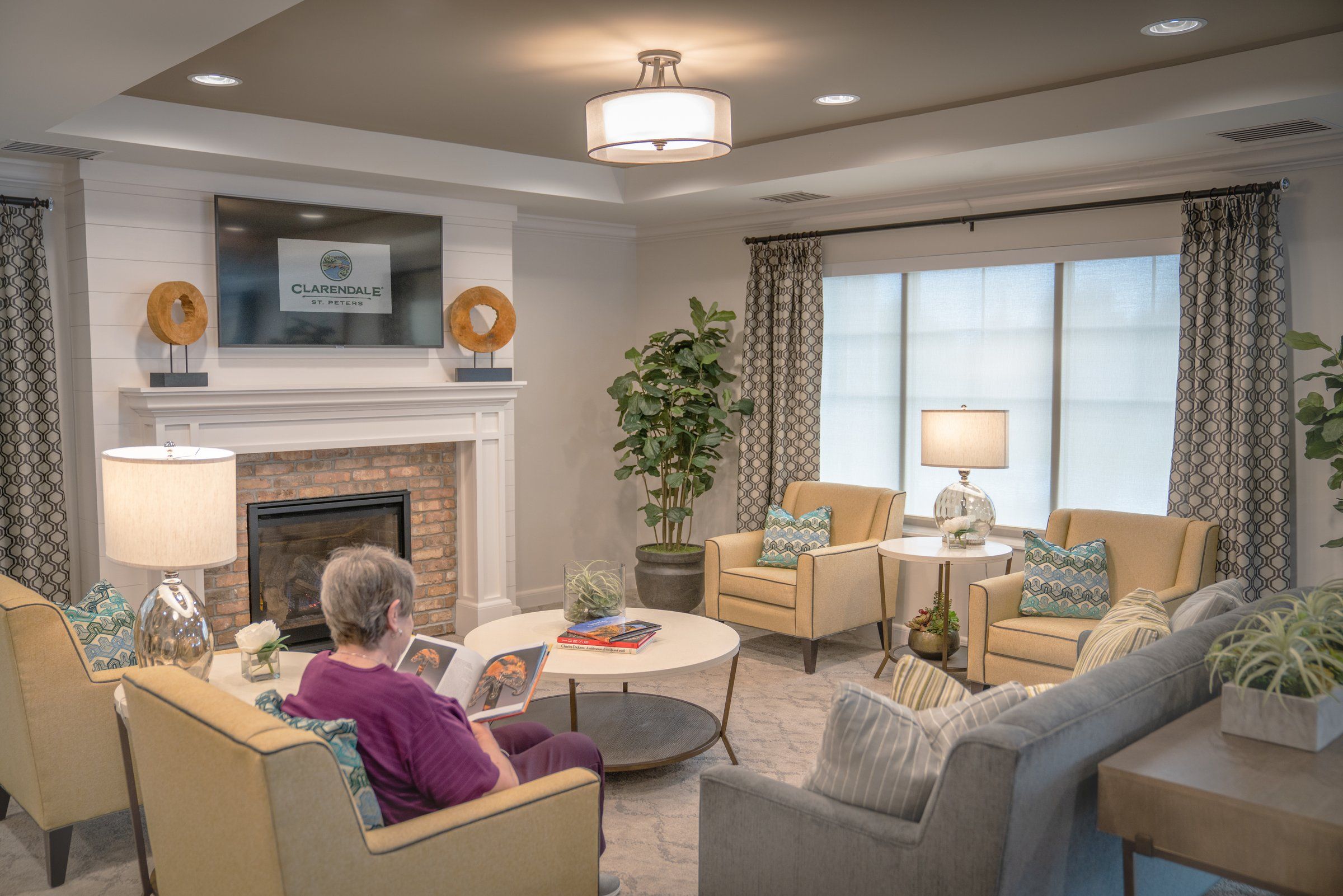
The best-designed homes are immediately comforting and relatable. They exude comfort, evoke refuge and inspire restfulness. Design can promote those feelings or deny them, making a building feel either unapproachable or inviting, like home.
Human scale is how we promote them. We pair refuge with prospect by creating a sheltered corner where you can settle in but have an elevated view around you. We create places that feel like sanctuary and other places that support togetherness, finished in tactile, relatable textures and colors.
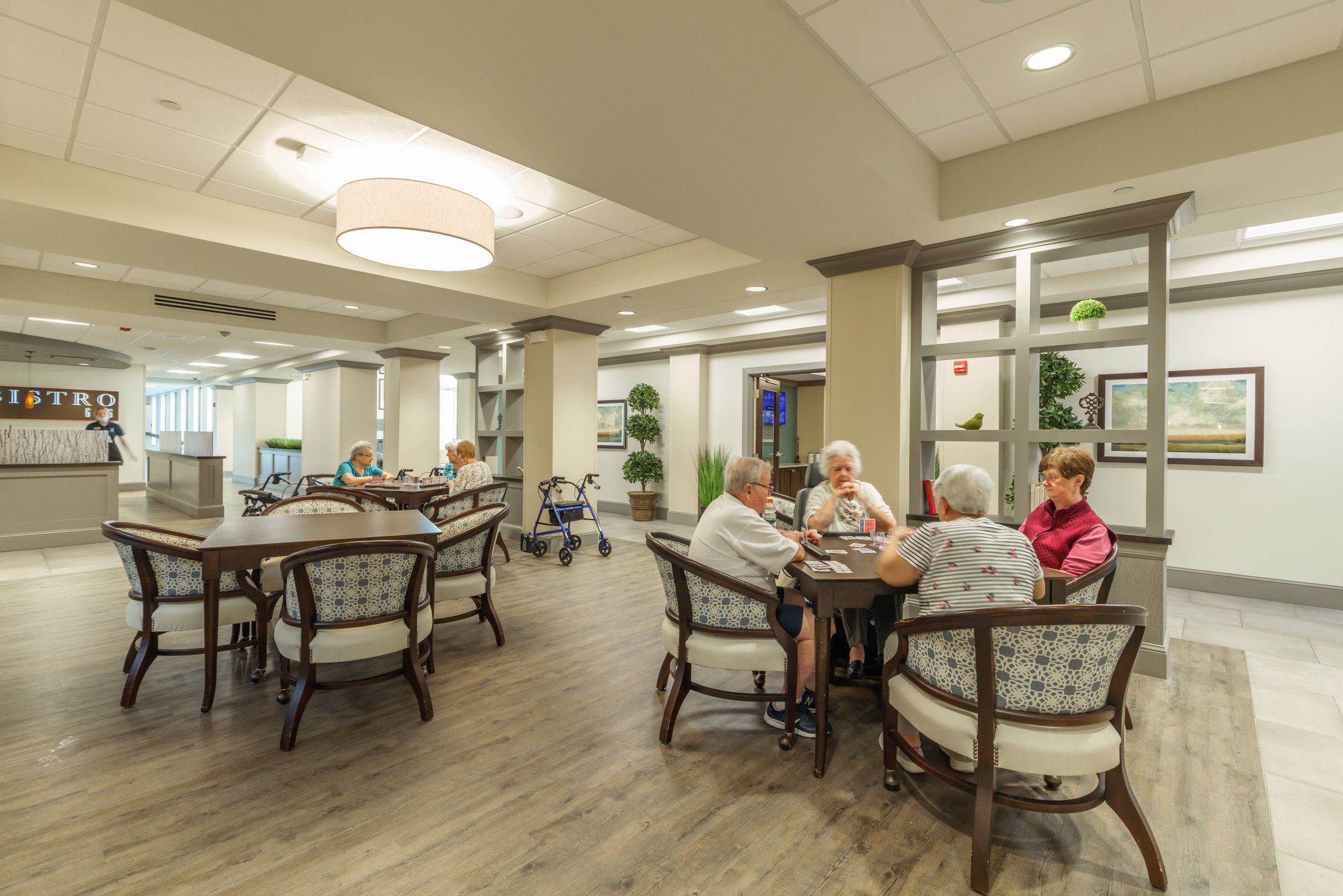
Residents benefit from time with friends and family in a relaxed setting, and a building can either encourage that or quietly discourage it. We design places for conversation, with seating that invites a chat, and places for contemplation, quiet corners and fountains whose sound calms a whole courtyard. Safe trails around the building give a reason to walk, and plantings that support birds, bees and butterflies draw us outside to watch, talk and care for something together. These features are not just compatible with residential life. They are the essence of it.
In practice
- Places designed for refuge and prospect
- Sanctuary and connection side by side
- Warm, tactile materials, textures and colors
- Seating for conversation
- Quiet places for contemplation, with a water feature for relaxing sound
- Safe trails and plantings that attract birds, bees and butterflies
Trend 3
Biophilic Design
Firmly intertwined indoors and outdoors.
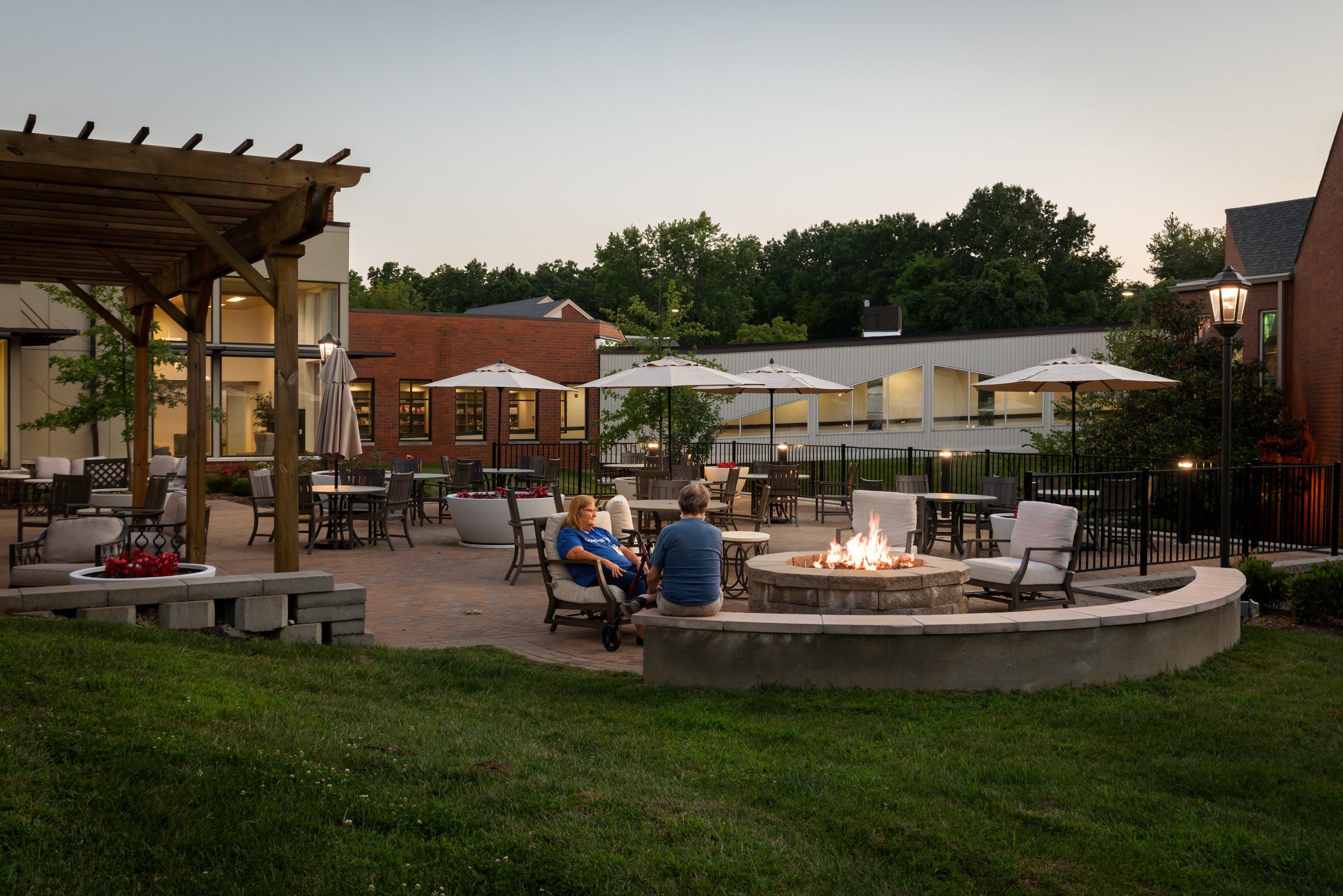
Humans share an affection for special places: spaces with plants, water, sunlight, shelter and a feeling of safety. Time in nature supports health and wellbeing, and our bodies respond to visual and tactile cues almost automatically. So we link inside to outside wherever we can, with views, terraces and daylight that carry the landscape into the building.
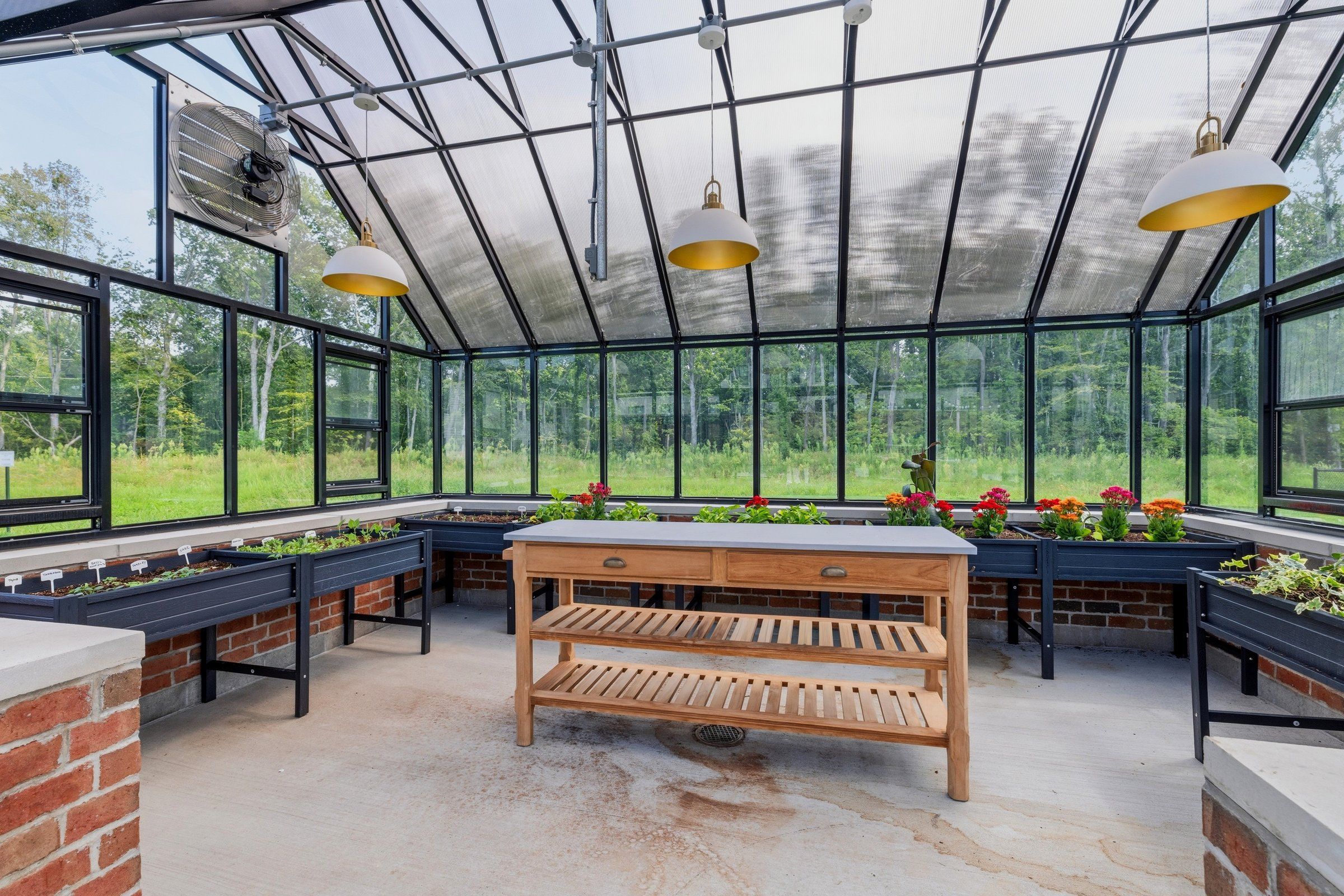
Rich, deeply wooded landscaping blurs hard edges, planters are built into the architecture, and natural materials such as wood and warm brick are woven through the design. Even pattern matters. Lacy balustrades and wood grain echo the fractal patterns found in nature. The goal is simple: a sense of inner peace and belonging.
In practice
- Rich, deeply wooded landscaping
- Views, terraces and daylight that link inside to outside
- Nature-mimicking fractal patterns, from lacy balustrades to wood textures
- Natural materials and planters built into the building
Planning a senior living community?
Since 2008 we have completed 45 senior living communities, 4,777 resident units and 4.5 million square feet. If you are weighing a site, a concept or a repositioning, we would be glad to talk it through.
Keep reading
- Senior Living 3.0: Demographic Destiny By Brian Van Winkle
- Designing for Aging: Hospitality-Driven Senior Living Is Here to Stay By Lindsay Straatmann
Source: U.S. Census Bureau, "By 2030, All Baby Boomers Will Be Age 65 or Older" (December 2019)